Are you interested in a specific offer or one of our products? Would you like advice?
We are here for you.
Date: September 6, 2026
Key facts at a glance:
Indonesia is moving the needle on the global minerals market. As the world’s largest nickel producer and a top-tier coal exporter, Jakarta’s recent policy decisions — cutting nickel quotas, approving a wave of coal work plans and doubling down on mineral downstreaming — are reshaping supply chains, prices and investment flows across the mining sector.
In a bid to shore up sagging nickel prices, Indonesia has moved to reduce its 2026 nickel ore production quota by approximately 30%, with reports indicating the approved volume was scaled back from 379 million tons to 250 million tons. The decision has drawn criticism from smelter operators, who warn that tighter ore supply could delay new smelter investment plans. For the global EV-battery supply chain — which leans heavily on Indonesian nickel — the quota cut is a direct signal that Jakarta is willing to prioritize price stability over output growth.
While nickel tightens, coal remains a workhorse. Indonesia’s Energy Ministry has approved 664 coal mining work plans, keeping the country on track as one of the world’s largest thermal-coal exporters. Indonesia produced 817 million tons of coal in 2025, and the steady flow of approvals suggests output will stay elevated even as Jakarta pushes a broader energy-transition narrative.
Underpinning these moves is a wider resource-nationalism strategy. Indonesia has long used export restrictions on raw minerals to force value-added processing at home — most notably the nickel ore export ban that helped build its smelting and EV-battery ecosystem. Recent tightening of strategic-resource export rules has drawn attention from foreign investors, including Chinese enterprises that dominate Indonesia’s nickel processing sector. The result is a more volatile, policy-driven operating environment for miners and downstream players alike.
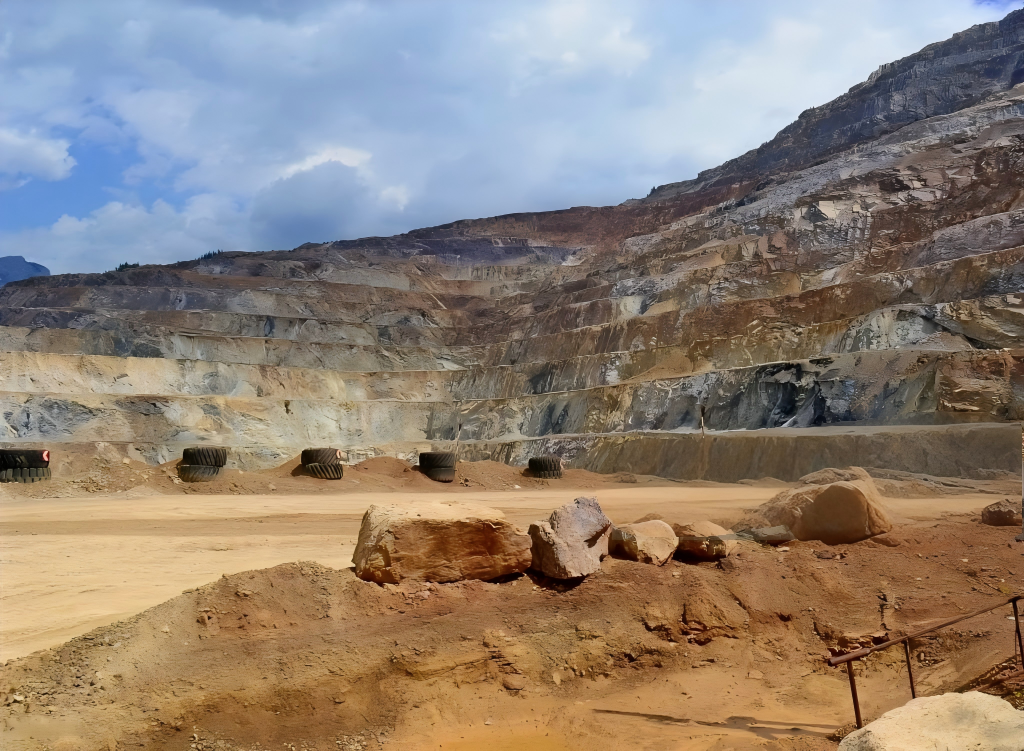
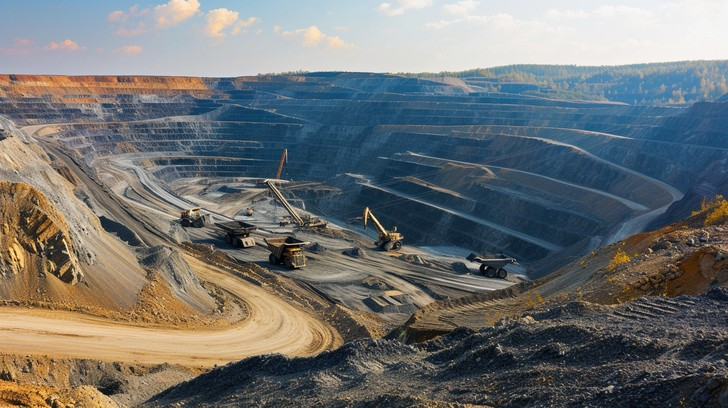
Indonesia’s nickel and coal mining operations continue to drive global mineral supply
Why is Indonesia cutting its nickel production quota?
Indonesia is reducing its 2026 nickel quota by about 30% to support global nickel prices, which have been under pressure from oversupply.
How much nickel does Indonesia produce?
Indonesia is the world’s largest nickel producer, accounting for nearly half of global primary nickel output.
What is Indonesia’s mineral downstreaming policy?
Indonesia restricts raw-ore exports to encourage domestic processing, aiming to build its own smelting and EV-battery industries rather than exporting unprocessed minerals.
How does this affect mining equipment demand?
Sustained coal output and ongoing smelter and mine development keep demand for mining trucks, dump trucks and heavy equipment resilient.

Copyright @2026 © 2026 Shaanxi Dechuang Jugang Trading Co., Ltd. All rights reserved.